

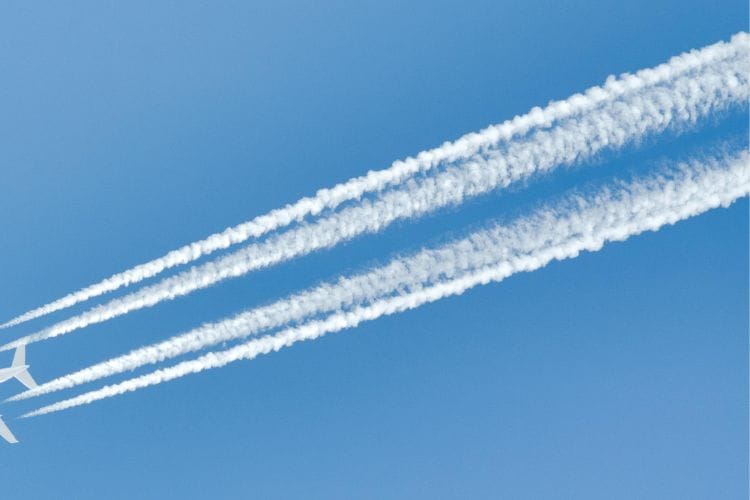
1. HOW TRAVEL IMPACTS CLIMATE CHANGE IS THE LAST THING WE WANT TO THINK OF WHEN WE’RE ON HOLIDAY. BUT THE CONSEQUENCES ARE DEMANDING OUR ATTENTION
GM: Let’s start with the fact that travel has become more accessible than ever. At the same time, I think the awareness of the environmental costs of travel is growing, and there’s confusion about what those costs actually are. When we talk about the climate impact of travel, what do people most often misunderstand?
JH: The relationship between travel and climate is a two-way street. We can think about the impact of climate on travel, and we can think about the impact of travel on climate.
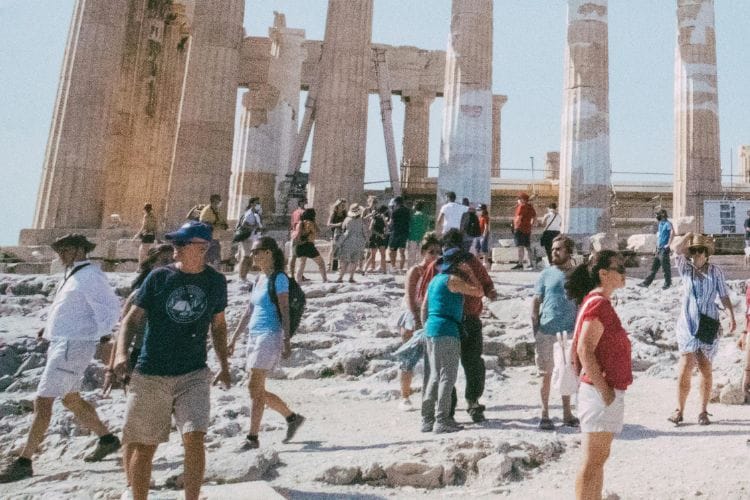
It’s become harder to ignore the impact of climate on travel because the media covers it. We see reports of people suffering from extreme heat in their tourist activities. Cruise ship passengers trying to get up to the Parthenon in 40-plus degree [celsius] heat does not seem like a pleasant experience.
The impact of travel on climate is just as important, but perhaps less well known or more easily ignored. Because when we explore these sorts of questions with travelers, people can be quite well informed about climate change, but are not necessarily willing to accept that their travel behaviors are contributing to the problem.
Although I’m going back a decade or more in terms of the research, we did look into this specific aspect of tourism and climate. It showed that people were often very concerned about sustainability and climate in their day-to-day lives. But when it comes to tourism, people tend to park their concerns at home. We’ve found in our research that even people who are very well-informed and well-educated about these issues, even people who have postgraduate degrees in environmental science or climate science, are still able to park that knowledge and engage in tourism without much consideration for the climate consequences of their travel decisions.

JH: That’s a good theory. I think it’s generally upheld in practice. In our day-to-day lives, we act upon the things that concern us. But typically when we travel for leisure purposes, we do so because we want to get away from the problems of our day-to-day lives, forget about the world and just focus on having a good time.

Usually, priority is given to cost and convenience rather than sustainability and climate concerns. People are more concerned about their travel budget than choosing the sustainable option. Sustainable options are often more costly than less sustainable alternatives. And there are probably other reasons why people are less likely to make the right decisions for the environment and the climate when they’re being tourists than when they’re at home.
When we travel, we typically find ourselves in unfamiliar environments. People do things that are made easy for them, perhaps particularly when they’re on vacation or holiday.
So if it’s easy to refill a water bottle from a cooler rather than buy single-use plastic bottled water, that makes the sustainable decision accessible, convenient and straightforward. And if there’s a water fountain at a tourist attraction, it’s also cheaper than buying bottled water.
But typically, when we arrive at a destination, we don’t know what recycling infrastructures are in place. We don’t know if plastic bottles are being recycled, or if plastic is just being incinerated or disposed of in other ways.
So there’s always that uncertainty, which might undermine people’s willingness to invest time and effort in figuring out what’s the right thing to do. The key is to make the sustainable alternatives convenient, easy and, if possible, cheaper than the less sustainable options.
GM: Also, the impact of our travel decisions is really not at the forefront of the conversation now.
40 or 50 years ago, recycling wasn’t mainstream. It first had to become part of the public conversation before it became embedded in people’s daily lives.
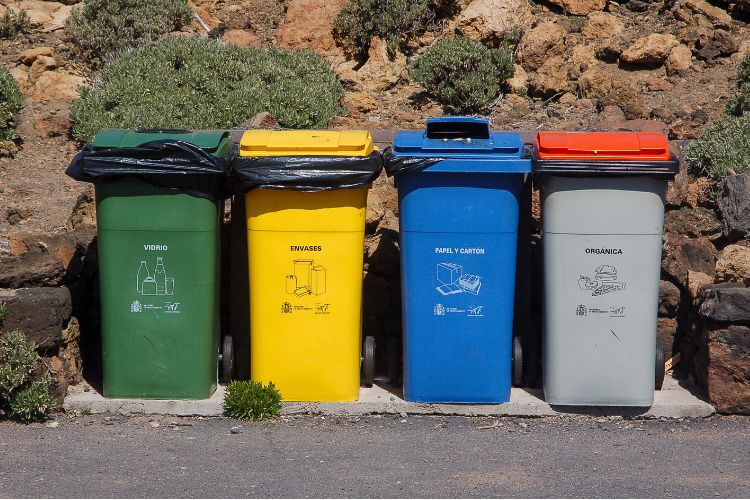
I think the same is true for responsible travel. Until it becomes a more visible and widely accepted expectation, people won’t naturally factor these issues into their travel decisions.
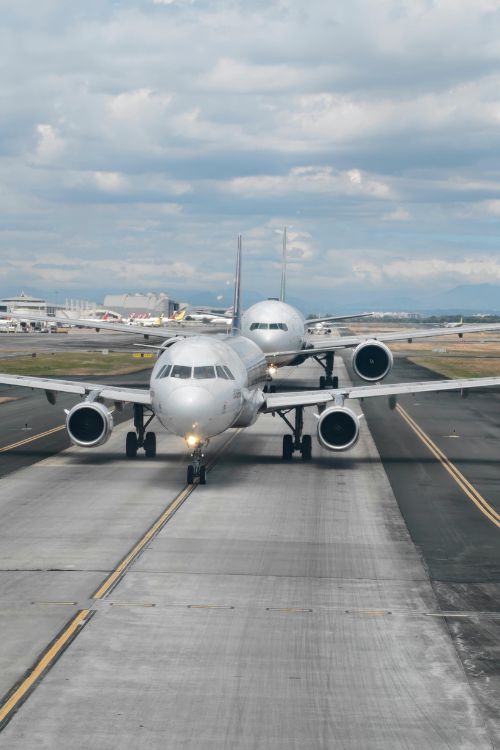
In my formative years, among those I knew, most people had never traveled overseas by plane. During my lifetime, in the countries I’ve lived in, I’ve seen air travel become as routine as getting in a car or catching a bus.
The airlines have done an extraordinary job of using promotional tactics to accelerate the consumption of air travel. Strategies such as giving the impression of scarcity of supply, or conveying a sense of urgency with specials or deals that expire at midnight, so it feels that if you don’t book quickly, you’re going to miss out.
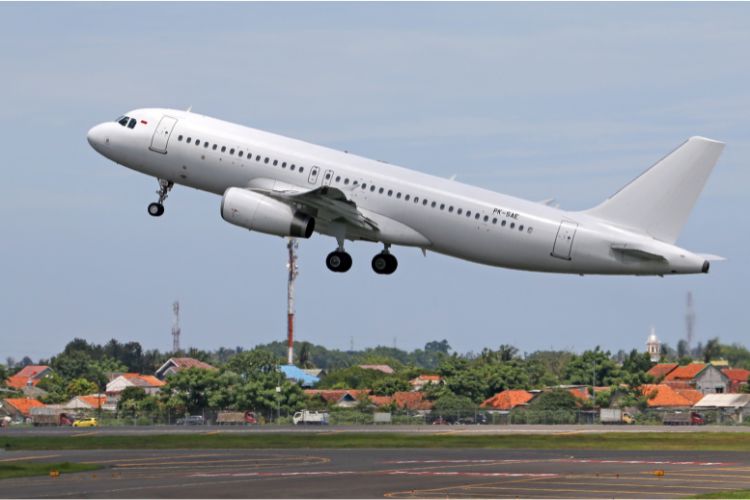
I realized this myself a few years ago when I was sitting on an airplane, reflecting upon the decision-making process that led me to take that flight. I realized that I’d been sucked into a process where I thought I was securing a deal that was too good to miss.
The question of whether I actually needed to be on that flight had become secondary to securing a fare that was sold to me as unmissable. And that struck me, because I try to limit my air travel. I try to make conscious decisions around travel with a view toward minimizing my contribution to transport emissions. So I suppose it struck me as evidence of just how effective these marketing tactics can be. This experience actually inspired a paper we published on moral disengagement in the Journal of Travel Research in 2022.
Air travel has become deeply embedded in modern travel behavior. It has transformed both international travel and, in many countries, domestic travel as well. It has become the cheapest and most convenient way of getting from one place to another.
The second thing is that air transportation is a very high carbon form of travel. Internal combustion engine vehicles, whether they’re privately owned or rental vehicles, are also really high-emitting forms of tourist transportation. But there’s a major challenge to try and decarbonize surface transportation to low-carbon electric or hybrid vehicles to try and mitigate their emissions.
Taking a plane is almost as bad as cruises.
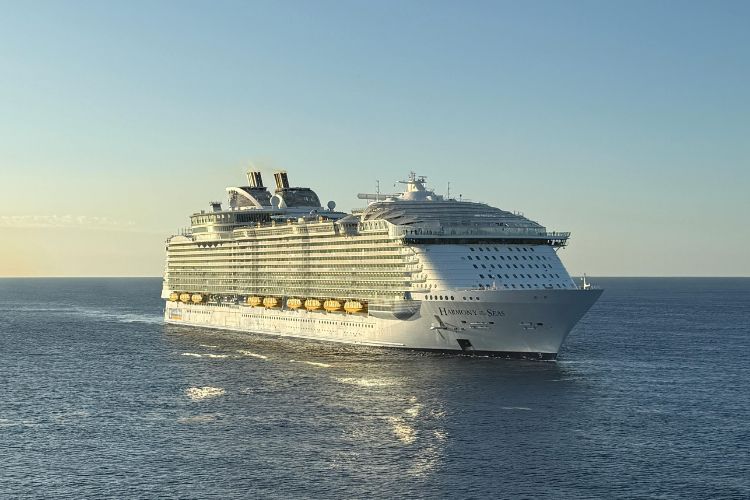
Cruise ship travel is very high in emissions, as is traveling by helicopter. Space tourism is a thing now, and it has high impacts on the global atmosphere.
The key difference is that most of these modes remain niche, whereas aviation is used at a massive scale. The one-two punch of aviation is that it has both become a mass transport mode, and it’s high carbon. And the problem is that there is no technical solution to decarbonize the global air transport system.
3. CRUISES vs. FLIGHTS: WHICH IS WORSE FOR THE CLIMATE?
GM: You mentioned cruise ships. Which is worse in terms of carbon emissions, cruises or air travel?
JH: Our research has indicated that, in gross terms, air travel is the key driver of tourism emissions. Although the aircraft that are flying today, particularly if they’re new generation aircraft, are more efficient than the aircraft of 30 years ago, those efficiency gains have been overwhelmed by sustained high growth in demand for air travel.
About James Higham

Professor James Higham is Distinguished Professor of Sustainable Tourism at Griffith University in Queensland, Australia, and Co-Director of the Climate Change Action Cluster at the Griffith Institute for Tourism. An internationally recognised researcher on tourism, climate change, and sustainable mobility, he has spent more than three decades examining the relationship between tourism and environmental change, with a particular focus on aviation emissions, tourism growth, carbon reduction, and the transition towards a low-carbon tourism future.
Before joining Griffith University in 2023, Professor Higham spent 30 years at the University of Otago in Dunedin, New Zealand, where he held the position of Distinguished Professor of Sustainable Tourism. He remains connected with the University of Otago as an Honorary Professor and continues to contribute to international research and discussions on how tourism can respond to climate change while preserving the social and cultural benefits of travel.
He is also the host of Checking In, a podcast exploring the key challenges shaping the future of tourism, including climate change, aviation emissions, sustainable mobility, tourism policy, and the pathways towards a more sustainable travel system. You can listen to Checking In on Spotify and here on his website: Checking In with Professor James Higham.