

INTRODUCTION
Compared to traditional accommodations, housesitting can be a way for travelers to:
- mitigate some of the effects of overtourism
- avoid contributing to the pressure put on local housing markets by short-term vacation rental properties
- reduce waste and energy consumption as compared to a hotel stay.
But for many travelers, it’s still an under-the-radar option.
To explore these ideas in depth, I spoke with Mila Brazzi, Head of Environmental, Social, and Governance (ESG) at trustedhousesitters.com, a house and pet sitting platform that connects travelers and home owners around the globe.
Our conversation touched on how housesitting quietly intersects with the pillars of sustainability and responsible travel, and how it benefits travelers not just as a budget-friendly way to travel, but as a model that can reduce environmental impact, benefit local communities, and create more reciprocal cultural exchange.
Ms. Brazzi also shared insights into the economic side of housesitting, how travelers can choose sits that align with their values, and what the future of responsible tourism might look like as this model continues to grow.
If you’ve heard about housesitting and you’re wondering if it might be a good fit for your next trip, this interview offers a thoughtful, practical starting point.
A big thank you to Mila for sharing her valuable insights.
HOUSE SITTING Q&A WITH MILA BRAZZI,
HEAD OF ESG AT TRUSTEDHOUSESITTERS.COM
Note: The following responses have been edited for brevity while preserving their original intent.
1. HOUSE SITTING AND THE ISSUES FACING TRADITIONAL TOURISM
How does house sitting address some of the challenges that are posed by traditional tourism, like overtourism, gentrification and in particular the housing shortages for local residents that are exacerbated by short-term rental companies?
Let’s start with overtourism. I think most people have heard about places that are empty as a ghost town in the winter, and then packed with wall-to-wall tourists in the summer.

Overtourism is a huge problem that impacts the lives of local people year-round. It contributes to neighborhood erosion, and to gentrification. And it puts a strain on infrastructure, increasing pollution and causing environmental damage.
With the pet sitting and the house sitting model, it works on a “one in, one out” principle. That means that residents leave their home to make space for a visitor, which supports a constant population.
And then in regards to housing shortages: short-term listing platforms are really compounding this crisis of a lack of affordable housing for local residents, which means that people are having to move away from their cities.
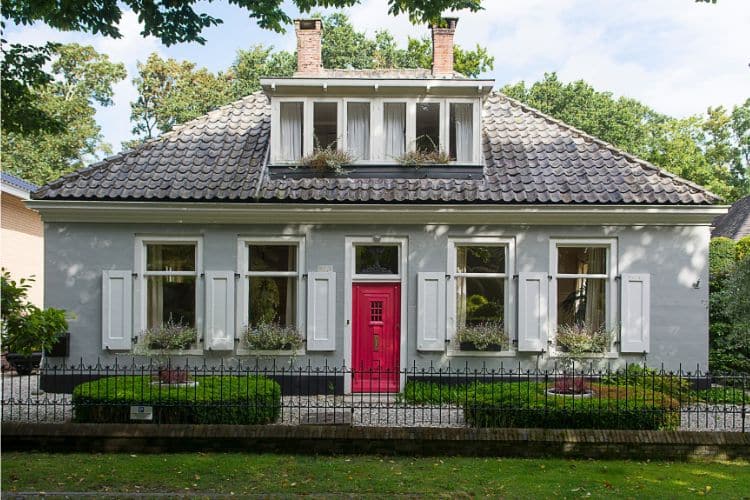
But with house sitting, and pet sitting in particular, the property you are staying in is an actual, lived-in home, which means it’s not a property that’s been bought up just for the sake of making an income.

You’ve mentioned short-term rentals. But what about hotels? In terms of sustainability and social responsibility, how does house sitting compare to hotels or resorts?
Before I answer that question, I’d like to outline why it’s so important to think about responsible accommodation.
There are two main reasons. Firstly, travel and tourism is one of the most carbon-intensive industries there is. And secondly, it’s an industry that’s growing.
When talking about travel and tourism emissions, there are seven key categories.
The biggest one is transportation. Half the emissions of travel and tourism come from the transport category.
Then the other six categories make up the remaining half of emissions.
Accommodation is one of those six categories, and it’s one where a lot of people can make better choices quite easily, without having to change where they’re going to travel to.
So back to your question: house sitting is generally a far more sustainable accommodation option than a hotel or resorts, because hotels typically have significantly higher energy use versus a residential property.
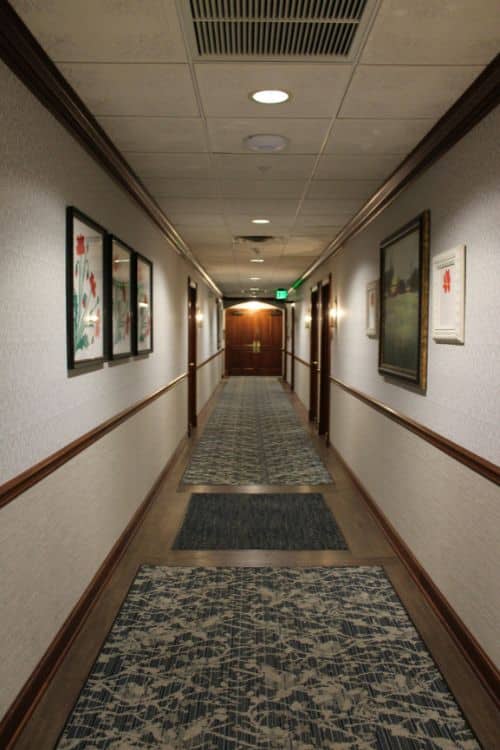
They’ll often have extra facilities, like gyms, pools, restaurants, lifts, lights. Think about all the lights in hotel hallways. They’re constantly on. Hotels have to make sure that guests are comfortable 24/7. So that means more heating and cooling and lighting around the clock.
And then there’s the scale of hotels and resorts as well. Think about all of the extra space that is needed just to run the hotel. You’ve got reception, maybe a lobby area, a staff room, storage rooms… All these areas that, again, need to be maintained and require energy that you just wouldn’t have if you were in a residence.
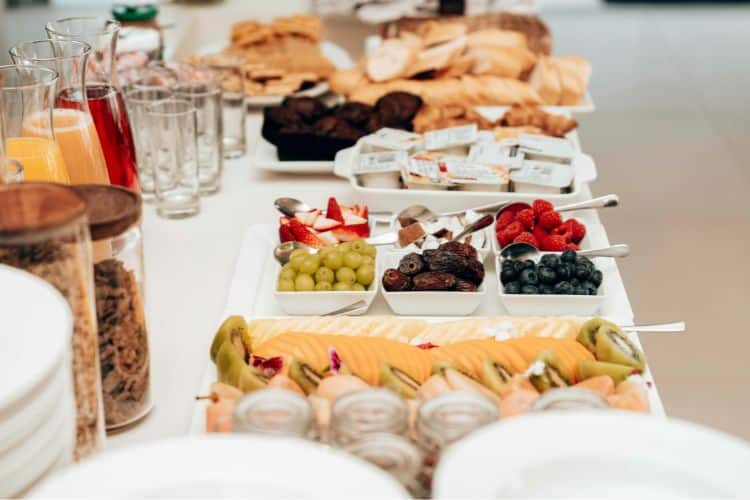
And another key area is that hotels typically have significantly higher waste. Especially if there are breakfast buffets. There are loads of frightening statistics around breakfast buffets and the amount of wastage there.
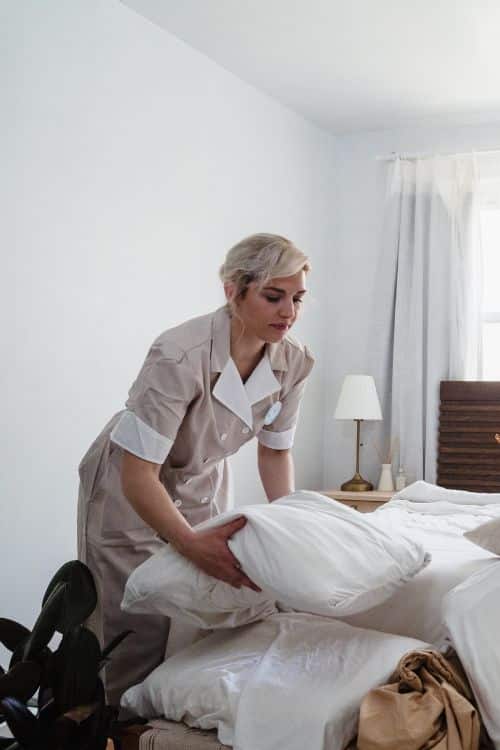
In terms of staffing, just to run hotels and resorts requires lots of different people to come in to look after the guests, to clean for them, to cook for them. That can really contribute to hotels not being as environmentally friendly as if you’re in a house.
The other side of that coin, though, would be in terms of social impact, all that staffing would provide jobs for the community.
Absolutely. And travel and tourism is a really important economic lever, especially for example on some smaller islands where it might make up quite a high percent of jobs and revenue.
So it’s not to say that hotels don’t have their place. Certainly they do. But you don’t always have to use a hotel.
I think the main thing is to choose an accommodation that is genuinely suitable to your needs. That’s really the takeaway.
So if you’re going on holiday and you’re planning to use the spa, you’ll likely choose a hotel or resort. You don’t need to feel really guilty about opting for a bit of luxury if that’s your choice. I don’t think that’s very fair, because then the onus is all on the individual.
But if house sitting might be a fit in terms of what you need from accommodation, then it can be a great choice in terms of sustainability. It’s a balancing act.
2. HOW TRUSTEDHOUSESITTERS.COM WORKS
Let’s talk a little bit more specifically about the TrustedHousesitters platform. For those who may not be familiar, can you explain what TrustedHousesitters is and how house sitting works as a travel option?
TrustedHousesitters is a membership community of pet lovers worldwide. It operates in about 133 different countries. The majority of our members are within English speaking countries, namely the US, the UK, Canada, Australia and such.
The fact that TrustedHousesitters is a membership model means that our members don’t profit from listing their property. There’s no incentive other than just to share.
There are three membership options. You are either a pet owner, a pet sitter, or both. So with a pet owner membership, you would be creating a profile about your home and pet, to find someone to come and look after them. Alternatively, if you want to travel somewhere and be the person who looks after someone’s pet and home, you sign up for a sitter membership.
There’s an annual fee, and then you use the platform as much as you like. No money is exchanged between members. So from the traveler’s perspective, it works basically as an accommodation platform. They effectively stay in the home for free, in exchange for caring for the home and pets. The value proposition is quite clear. For the sitters, it’s “I look after your pets, I get to stay in your house.” For the homeowners, it’s “You look after my pets while I travel. My pets stay happy at home.”
Can you explain how TrustedHousesitters promotes sustainability practices and reducing the carbon footprint of both the house sitters and the homeowners?
Yeah, this is a great question. To be honest, up until quite recently, it’s not an area that we focused heavily on. But we have an information hub on our website where we share tips on more sustainable ways to travel, from choosing slower travel options to packing light and shopping local, things like that.
And then there’s a forum for our members where we have a sustainability thread. We’ll answer with a backed up response, but often it’s members sharing sustainability best practices and ideas between themselves.
But we’re looking to be more helpful in that area. Without judging people, because we don’t want to make people feel like they can’t travel.
3. WHAT HOUSE SITTING IS LIKE
We’ve covered a lot about the sustainability and responsible travel aspects of house sitting and TrustedHousesitters.
Now I’d like to go into a few questions for people for whom the idea of house sitting intriguing, but they’re having trouble visualizing what that would be like. I want to help them better envision the experience.
What types of homes or properties are typically available on TrustedHousesitters, and are there any particular locations that are more popular for house sitting?
Just speaking about the type of sits available within the TrustedHousesitters community, it is so varied. We have castles, we have very normal flats, and everything in between.

But I suppose most of them are like what you would expect to see on Airbnb, except with animals. Just nice places to stay.
We also have quite a few farm stays. Those kinds of bigger sits tend to be better for couples or friends that are doing a sit together, just because there can be quite a lot of work.
Locations-wise, I can’t remember the top 10 list off my head, but I believe it goes the US, the UK, Canada, Australia, and then mainland Europe. Our top destination is Seattle.
4. SKILLS AND EXPERIENCE REQUIRED
Are house sitters required to have any particular skills or experience in terms of pet care or home maintenance to be considered for a house opportunity?
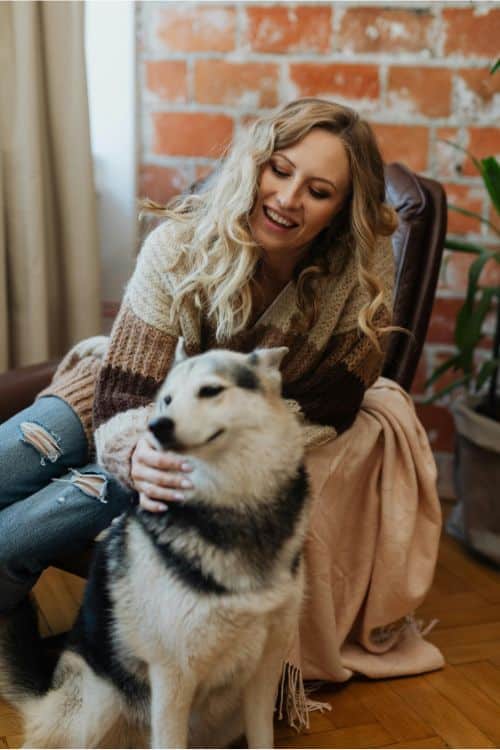
Nothing is required.
On the sitter’s profile, there is space for them to share what skills they have in terms of past pet care.
If you have experience of any kind: if you grew up with cats in the house, or you’ve walked your neighbor dogs, then of course it’s helpful, but it’s not a requirement.
And nothing apart from pet care.
5. HOUSE SITTING CAVEATS
Let’s talk a little bit about the drawbacks of traveling as a house sitter, because everything has its drawbacks.
What are the main drawbacks you see to house sitting? Is there a type of traveler who might want to avoid it?
With TrustedHousesitters specifically, it really is centered around pets and the love of pets. So if you don’t care for pets, it’s not the thing for you.
It’s helpful if you have flexible travel dates, because it gives you much wider options of where you can go and what you can do. Because it’s not like a hotel where there are always going to be loads of options for the exact time and place you want to go. So it’s definitely more suitable for people that are more flexible.
Also some pet sits might not be family friendly, for example a sit for a dog that isn’t particularly fond of children, or finds kids scary. Or if the homeowner doesn’t have young children, the house might not be baby proofed.
6. ETHICAL CONSIDERATIONS OF HOUSE SITTING
Are there any ethical considerations that people traveling as house sitters should keep in mind when they’re caring for somebody else’s home and pets?
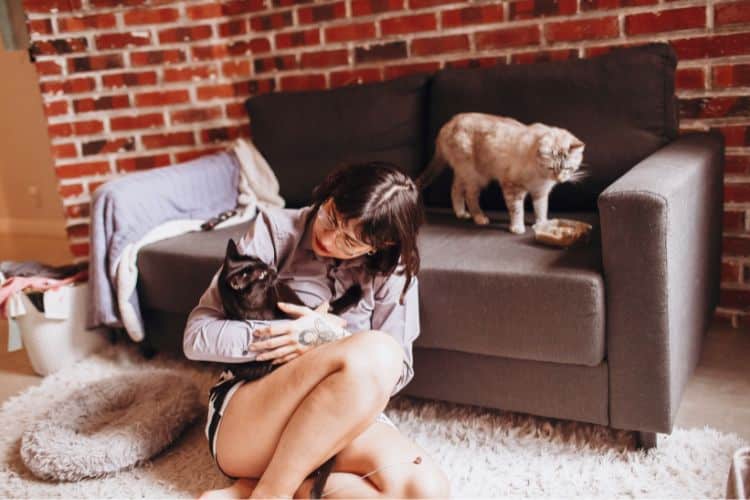
Oh, absolutely. We try to support this as much as possible, so that communication between a sitter and an owner is really clear, and the owner is sharing all the information that the sitter needs to make sure that they can look after the pets.
So from an ethical perspective, if you are a sitter, just make sure that you thoroughly read the guidance and understand what’s required for that pet, and that you’re following it. Because ultimately, it’s a trust thing.
If a sitter is not looking after the pet in the way that has been requested, then they’re neglecting their duties. And it would be really terrible for that homeowner to place their trust in a house sitter, and then have their pet neglected. And for the pet, of course. There are lots of checks that we do to try and mitigate that.
Ultimately, you’re looking after someone’s family member when you’re looking after their pet. And you have to take that responsibility seriously.
7. GETTING STARTED WITH HOUSE SITTING WHEN YOU HAVE NO REVIEWS
I know on TrustedHousesitters there’s a lot of emphasis on reviews. For somebody who’s just starting out and doesn’t have any sitting experience, and therefore has no reviews, how do they get into the system so that people trust them?
It’s something that we are really aware of. Certainly, if you have a lot of experience on the site, and lots of great reviews, it’s going to be easier for you than for someone who’s just starting out.
The way that we’ve tried to help is, when you’re new, you’re allowed two reviews on your profile from friends or family or such.
When I first joined, for instance, I asked my neighbor, because I often feed her cat and she knows me. So I asked her to put a review in. I also asked my partners’ parents, because we’ve had their dog stay here.
And then beyond that, applying for local sits where you can meet the person beforehand is a good way to get your first sit, and then get a review that’s come through TrustedHousesitters.
However, it’s not always necessary. A friend of mine recently opened their account, and a week later they had a sit confirmed.
8. HOW HOUSE SITTING CAN FIT INTO TRAVEL PLANS
How long do house sitting assignments typically last, and is there flexibility in the dates or in the duration?
On average, they last about two weeks, but they really vary. So the shortest one will be a couple of days. And then we have sits that can last like four or five months.
We have some sitters that have done several sits back-to-back. I think we’ve had sitters that have sat for over 300 days in a single year.
If you’re a sitter and you can’t do the full date, but for some reason you want to apply, then you would share that information with the pet owner and ask them directly if there was any flexibility.
However, I suspect if you can do the full period, that’s going to be better for the homeowner.
How does house sitting fit into a traveler’s itinerary, especially if they want to explore the region or the country? How do they do that when they have to, for example, look after a dog and make sure they walk it twice a day?
It’s up to the pet sitter to really think about if the sit that they are interested in is going to fit with their itinerary. Hopefully the information has been shared with them so they can assess that. But if not, they need to make sure they’re asking the right questions to get that information before they accept the sit.
Because there are so many different types of sits on TrustedHousesitters, you can find something that’s going to suit you. For instance, you can ask how long the pet can be left at home alone for. If you’re sitting a cat that can be left for 12 hours a day, your itinerary is going to look quite different than if you’re sitting a puppy who can’t be left alone for more than two hours.
And also, maybe you could split your trip so you house sit for one part of the time, and use other accommodation methods for another part of your stay, if something you want to include on your itinerary doesn’t fit with house sitting responsibilities.
9. COMMUNICATING WITH THE HOMEOWNERS
What is communication between the homeowner and the sitters like?
The relationship is built on trust. So the homeowners and sitters get to know each other beforehand, at the very least by message, but most often by video meeting or such. And because quite a few of our sits happen locally, sometimes they will actually meet each other in person first. The homeowner wants to check that the sitter is a trustworthy person to look after their animal, and make sure that the person is as they present themselves in their profile.
For information about the sit, and communication during the sit, we have a template with frequently asked questions to help make sure that all the right information gets shared. Sitters need to be sure to ask “How often would you like to receive updates about your pet?” And also “How would you like to receive updates? Do you want pictures? Do you prefer a video call?” So the homeowner and the pet sitter come to an agreement on how that’s going to work.
10. FINAL TIPS FOR THOSE NEW TO HOUSE SITTING
Do you have any tips for travelers who are new to sitting and want to make the most of their experience?
First, I would say spend some time on your profile. Think about the things that home and pet owners are going to want to know. Maybe look at some examples of other sitters that have got lots of experience so you can see what works.
Apply for lots of different sits that look good to you. And once you get a sit lined up, start the conversation with the homeowner to make sure that you have all the information that you need. Set up a line of communication by saying “Once the sit starts, what’s the best way to get in contact with you as questions arise?”
Sitting is a really nice experience. Something like 97% of our members say that TrustedHousesitters has changed their lives for the better. And it’s one of those things where you have to experience it to understand it. It’s completely different to staying in a hotel or an Airbnb. You have a pet that needs you.
My biggest tip would be just give it a go. As long as you like animals.

Also, you often end up building a relationship with the person. I’m still in contact with my sitter from last year. And every now and then, we give each other little updates about what’s going on in life. It’s really nice, because that’s not someone that I would have otherwise met.
And I think that makes life richer. It expands your world.
About Mila Brazzi

Mila Brazzi is the Head of Environmental, Social, and Governance (ESG) at trustedhousesitters.com, where she leads the company’s sustainability and purpose-driven initiatives. Before her current role, she worked as a freelance brand sustainability consultant, supporting purpose-driven businesses with B Corp certification, marketing, and sustainable event delivery.
Mila’s background includes a rich career in communications and public relations, with notable achievements such as award-winning campaigns promoting sustainable transport in Brighton. She holds a degree in Media Journalism from the University of Brighton.
Beyond TrustedHousesitters, Mila contributes as a writer for Startups Magazine, sharing insights on using business as a force for good. Her passion lies in driving meaningful change through storytelling and strategic sustainability leadership.