INTRODUCTION
One year ago today, Mindful Wayfarer published its first blog post and went live to the world.
Over the past year, we have focused on helping readers make thoughtful travel choices. Rather than offering inspiration alone, we have talked to real experts and practitioners: people working in tourism, heritage, sustainability, and community development, to share their knowledge and experience.
These conversations give readers practical insight into how travel affects people, cultures, and environments, and how the decisions we make as travelers can have real impact.
Today, to celebrate Mindful Wayfarer’s first birthday, we’d like to take a look back at all the posts we published this year and the lessons they offer for mindful travel.
REFLECTING ON A YEAR OF MINDFUL WAYFARER
1. WHAT IS RESPONSIBLE TOURISM? INSIGHTS FROM AN EXPERT
Interview with Dr. Harold Goodwin
In our inaugural post, we opened the blog with a conversation aimed at defining what responsible tourism actually means. We interviewed Dr. Harold Goodwin, who is often called the father of responsible tourism. He emphasized that every travel choice, from accommodations to transport to activities, affects local communities and ecosystems. (Read more)
2. WHAT IS HERITAGE TOURISM? INSIGHTS FROM AN EXPERT
Interview with Dr. Peter Robinson
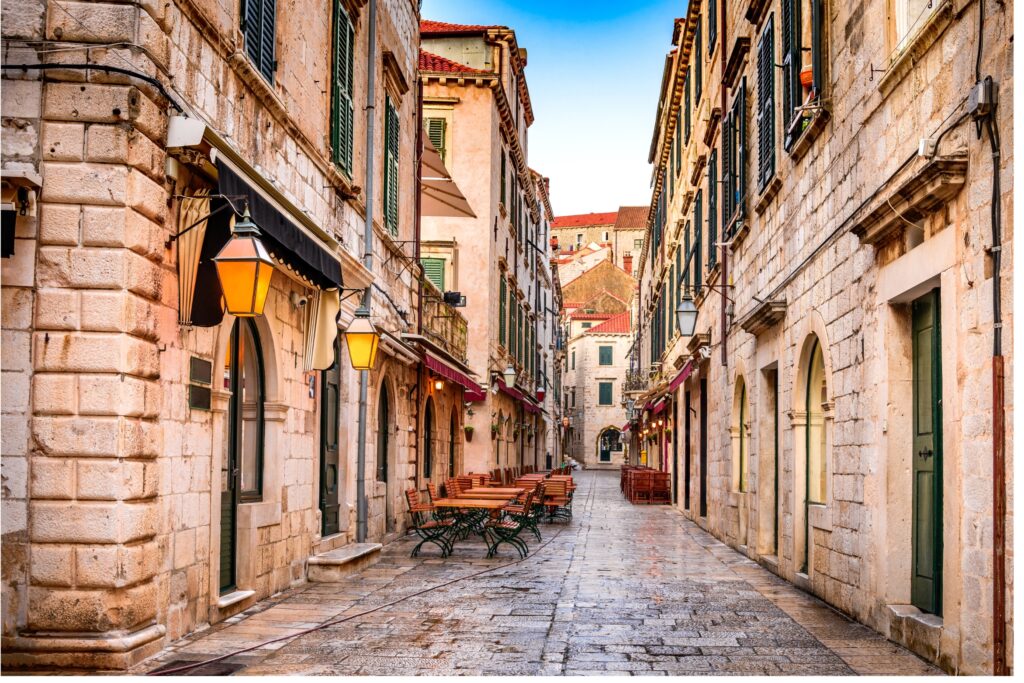
Dr. Robinson explained that heritage sites often present simplified versions of history for visitors. The interview encouraged travelers to seek local context and understand how narratives are shaped, emphasizing respect for cultural complexity alongside tourism. (Read more)
3. DOES VOLUNTEER TOURISM HELP OR HARM? INSIGHTS FROM AN EXPERT
Interview with Dr. Elisa Burrai
Volunteer tourism can feel meaningful, but Dr. Burrai highlighted the nuanced problems it can create, from disrupting local labor to reinforcing dependency. This interview helped readers understand when volunteer travel might do more harm than good and what ethical alternatives exist. (Read more)
4. UNDERSTANDING COMMUNITY-BASED TOURISM: INSIGHTS FROM AN EXPERT
Interview with Adama Bah
In this piece, Adama Bah shared his knowledge about community-based tourism and why it matters. Instead of treating communities as passive hosts, community-based tourism models involve residents in shaping experiences and capturing economic benefits. This approach offers a more equitable way for travel to support local agency. (Read more)
5. Q&A WITH SHAON TALUKDER OF TRAVEL AUTIO TOUR APP GEOTOURIST
Interview with Shaon Talukder, Founder and CEO of Geotourist
In this interview, Talukder shared the origin story behind founding Geotourist, a platform for GPS‑based audio tours of locations worldwide. He explained how the tours are developed and discussed the platform’s approach to responsible travel, cultural sensitivity, sustainability, and diversity in travel content. (Read more)
6. WHY LOW SEASON TRAVEL IS THE TOURISM INDUSTRY’S BEST-KEPT SECRET (BUT NOT FOR LONG): Q & A WITH AN EXPERT
Interview with Ged Brown
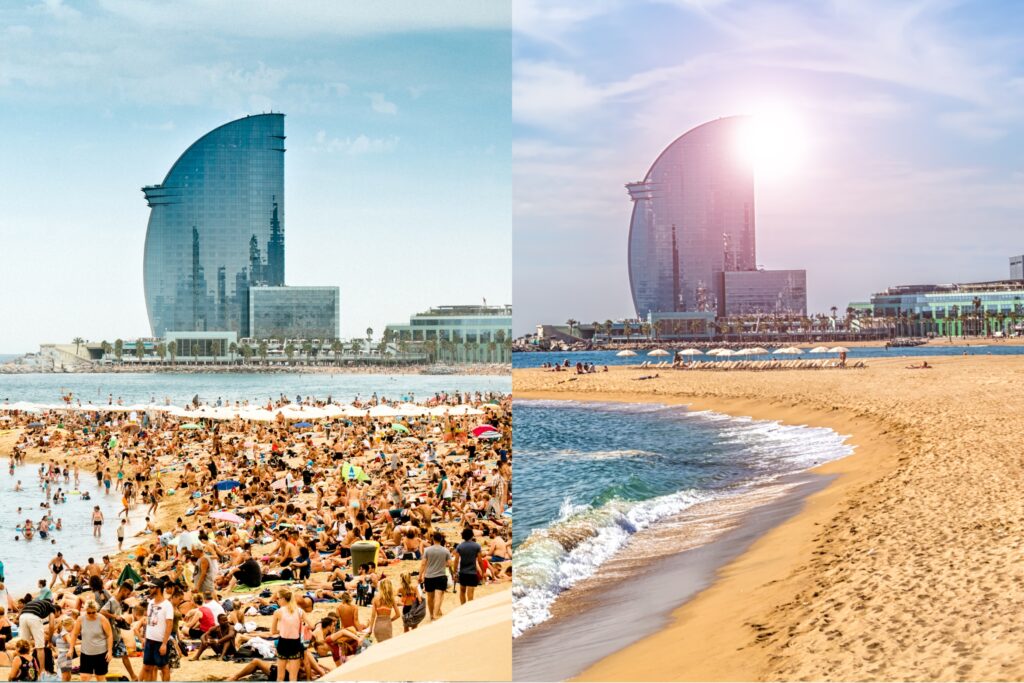
Low-season travel was presented not as a trend but as a strategy with real advantages for destinations and travelers alike. Ged Brown explained how visiting places outside peak months can reduce pressure on infrastructure, support more balanced economic flows, and create deeper opportunities for cultural engagement. (Read more)
7. BEYOND THE CROWDS: LOW SEASON TRAVELLER AND THE FUTURE OF TOURISM
Part two of our interview with Ged Brown
In the follow-up interview, Brown explored how his organization, Low Season Traveller, operates and why focusing attention on quieter travel periods changes how tourism functions. (Read more)
8. EMBRACING SLOW TRAVEL: Q & A WITH CARL HONORE, “THE GODFATHER OF THE SLOW MOVEMENT”
Interview with Carl Honoré
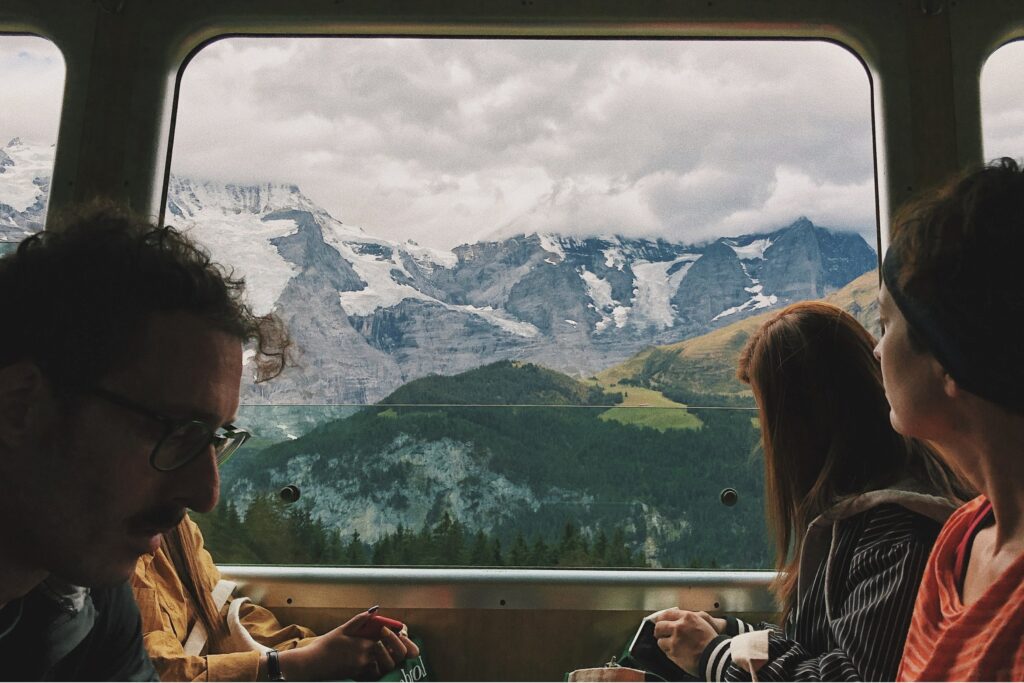
This post dug into the philosophy behind slow travel. Carl Honoré explained how slowing down affects how we relate to people, places, and systems. Slower travel shifts the experience from a set of sights to check off your list to a way of understanding and interacting with the world. (Read more)
9. HELPING CHILDREN DISCOVER THE JOY OF SLOW TRAVEL: Q & A WITH CARL HONORE ABOUT HIS BOOK SLOW ADVENTURES
Interview with Carl Honoré
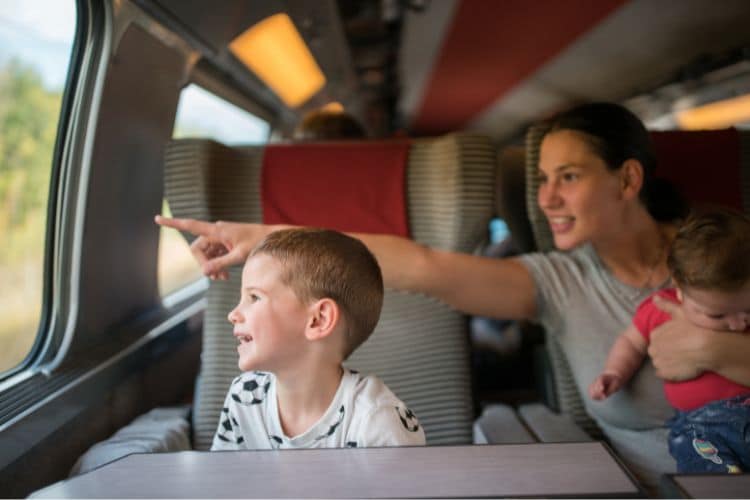
In the second part of our Q&A with Carl Honoré, we discuss Slow Adventures, his children’s travel book that encourages families to savor journeys by foot, bike, boat, and train, emphasizing imagination, curiosity, and the value of slowing down while exploring the world.
(Read more)
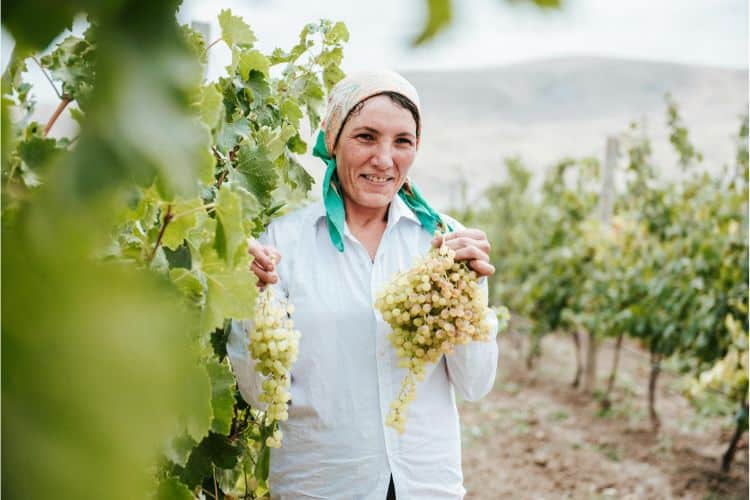
10: THE TASTE OF PLACE: HOW THE CONCEPT OF TERROIR CAN ENRICH THE WAY WE TRAVEL
Interview with Professor Thomas Parker
This interview connected food, culture, and travel through the concept of terroir. Professor Parker explained how local food and drink embody environment, history, and tradition. Paying attention to these details gives travelers a grounded way to understand place. (Read more)
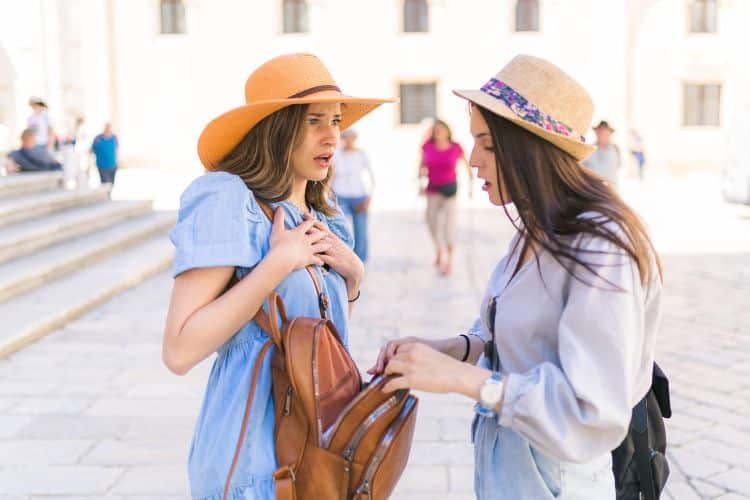
11. SAFETY WHILE TRAVELING: Q & A WITH SMART TRAVEL APP FOUNDER BLAGOJA MASO
Interview with Blagoja Maso
Safety rarely features in discussions of responsible travel, but in this post the founder explains how the Travel Smart app supports traveller safety with real-time alerts, emergency resources, cultural insights, and essential tools designed to improve preparedness on the road. (Read more)
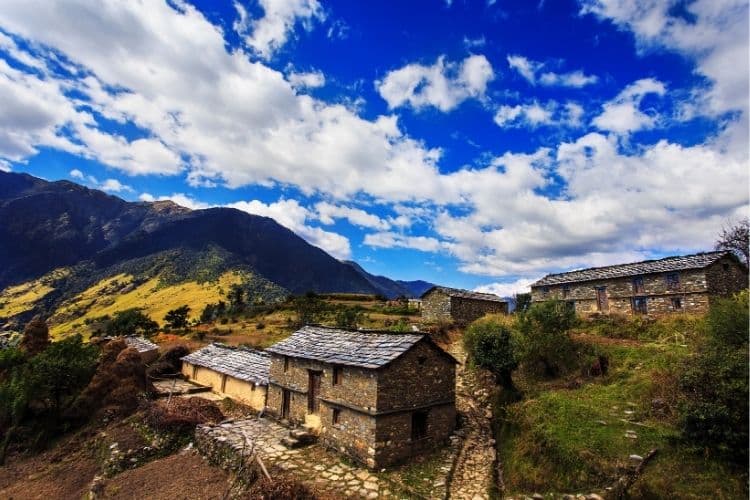
12. RESPONSIBLE RURAL TOURISM: Q & A WITH MANISHA PANDE, CO-FOUNDER OF VILLAGE WAYS
Interview with Manisha Pande
This post explored rural tourism and what it looks like when communities set the terms. Manisha Pande shared how her organization supports village-led tourism enterprises that preserve culture, strengthen livelihoods, and manage visitor impact responsibly. (Read more)
13. WANT TO TRAVEL MORE SUSTAINABLY WITHOUT SPENDING MORE? WHY HOUSESITTING JUST MIGHT BE THE ANSWER
Interview with Mila Brazzi, head of ESG at Trusted Housesitters
This post looked at housesitting as a sustainable travel option. Brazzi explained how housesitting reduces reliance on hotels, encourages longer, more immersive stays, and allows travelers to connect with communities in meaningful ways while lowering environmental impact. (Read more)
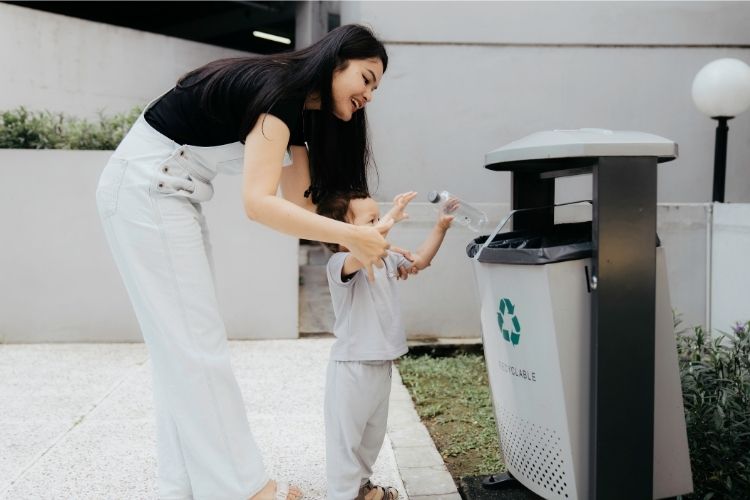
14. INTRODUCING SUSTAINABILITY TO YOUNG CHILDREN: TIPS FROM AN EXPERT
Interview with Dr. Sue Elliott
January’s post focused on nurturing sustainable habits in children. Dr. Elliott shared strategies for encouraging sustainability awareness without eco-anxiety, and discussed how travel can reinforce values that last a lifetime. (Read more)
LESSONS LEARNED FROM THE YEAR
After reviewing the year’s posts, several clear lessons stand out:
Responsibility is about effects, not just intention.
Your choices have real consequences on the places you travel to. You can never “leave only footprints.” You are going to have an impact on the places you visit. Mindful travelers act to make it a positive one.
Context shapes experiences.
When you visit a heritage site or try local food, the story behind it changes what you take away. Learning local perspectives gives a fuller understanding, and sampling regional dishes tells you about the culture and environment. Traveling outside peak season makes spaces less crowded, helps local businesses, and gives you more time to notice details and connect with a place.
Community-led tourism changes outcomes.
Tourism works best when local people lead the programs. Communities that manage their own initiatives preserve culture, benefit economically, and offer visitors more authentic experiences. Choosing community-run projects or accommodations lets locals guide the story of their own place.
Pace and timing shape the experience.
How quickly you move matters. Walking, cycling, or using public transport lets you notice more, ask questions, and interact with people. Traveling off-peak reduces stress on sites and gives time for reflection. Slowing down makes the trip more enjoyable and more meaningful.
Meaningful travel goes beyond consumption.
Responsible travel is also travel that encourages curiosity and connection. It is about understanding people, history, and environment, not just checking off sights. When you focus on learning and relationships, your travel becomes more memorable and impactful.

LOOKING AHEAD

The focus this year was on practical insights grounded in lived experience and expert perspectives.
Looking ahead, Mindful Wayfarer will continue to share conversations with experts, explore new topics in sustainable and mindful travel, and offer guidance for travelers who want to make a positive impact while experiencing travel in deeper, more connected ways.