
The Taste of Place: How the Concept of Terroir Can Enrich the Way We Travel – Q&A with an Expert

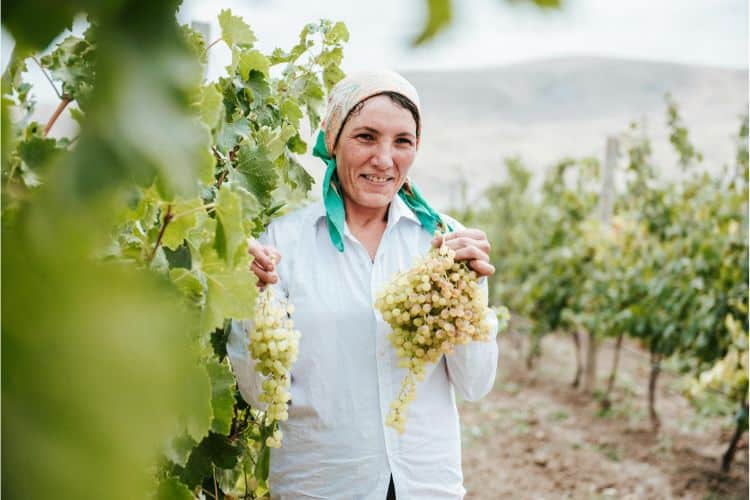
Woman in vineyard holding bunch of grapes

INTRODUCTION


One powerful but often overlooked theme that can enrich mindful travel is the concept of terroir. Though the word is famously rooted in French food and wine culture, its meaning and value hold true far beyond France.


To help unpack what terroir really means, I spoke with Professor Thomas Parker, author of Tasting French Terroir: The History of an Idea. In this wide-ranging conversation, Professor Parker talks about the historical and cultural layers of terroir, and how understanding it can help travelers build more meaningful connections with the places they visit, local communities, and food traditions.


While in this interview, the examples often come back to France, its wine and its cheese, the principles we discuss apply globally.


Whether it’s through Aceto Balsamico di Modena in Italy, Sanuki Udon noodles in Japan, Mole Poblano in Mexico, or any food or drink that reflects the unique interplay of soil, climate, savoir-faire, and cultural tradition, terroir can be a lens for appreciating place in a more grounded, respectful, and sustainable way.


THE TASTE OF PLACE: HOW THE CONCEPT OF TERROIR CAN ENRICH THE WAY WE TRAVEL – Q&A WITH AN EXPERT

Note: The following responses have been edited for brevity while preserving their original intent.

1) WHAT IS TERROIR? A DEFINITION AND ITS FRENCH ROOTS


Hello Professor Parker, thanks for taking the time to speak with us today. 

First question: How do you define the concept of terroir, and what are its historical origins in French culture?


A lot of people define terroir as a taste of place. A certain food as a reflection of the physiographic origin where it was produced or grown, so that when you eat it, you’re not only experiencing flavors, you’re experiencing a connection to a place, and to a set of cultures and traditions.

There are lots of different foods that can express a terroir: wine, fish, hot peppers, just to give a few examples. But whatever the product is, you’re not just eating it to understand if you like it. You’re trying to understand if it’s a faithful reflection of where the product comes from. It’s not just about hedonism. It’s more about truth and authenticity.


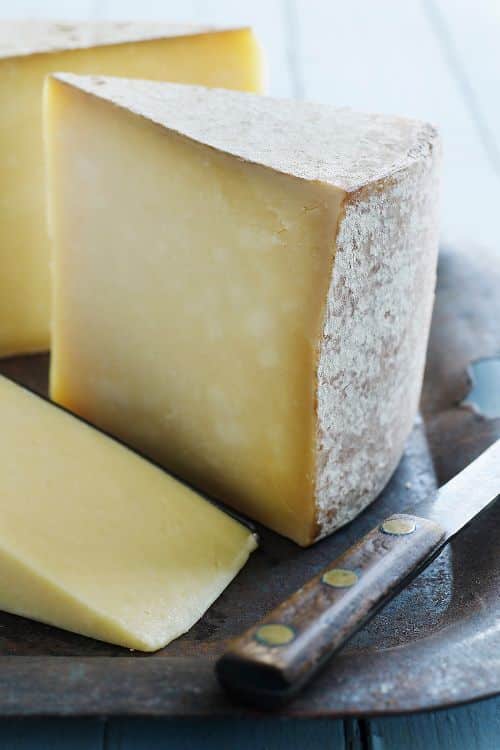
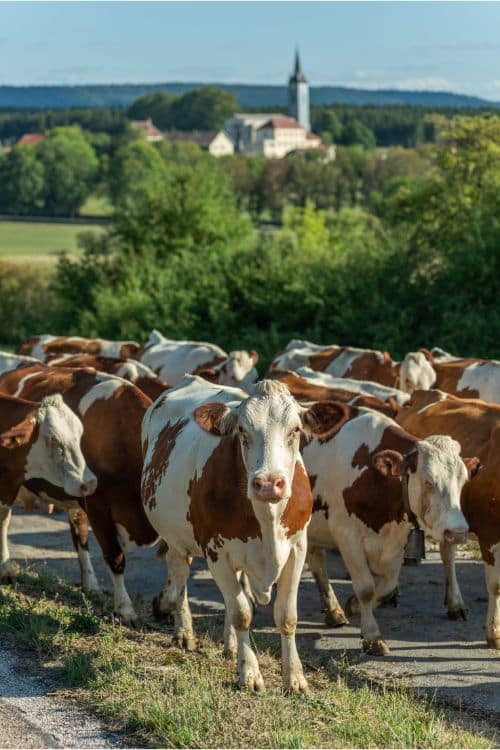
Let’s take cheeses. In the French region of Jura, for example, you have cows that eat wild flowers in the alpine meadows. And those flavors come through in the cheese. Of course the cheeses don’t taste precisely like wildflowers. But the flowers that the cows consume leave their mark on the cheese.


So a person who is trying to understand terroir will try to find those flavors, and say “This is the taste of a cheese from the Jura. This taste is telling me something about where this product came from.”

Montbeliarde cows in the Jura region of France

And the taste of the cheese from the Jura cannot be imitated elsewhere, because you cannot imitate the terroir elsewhere.


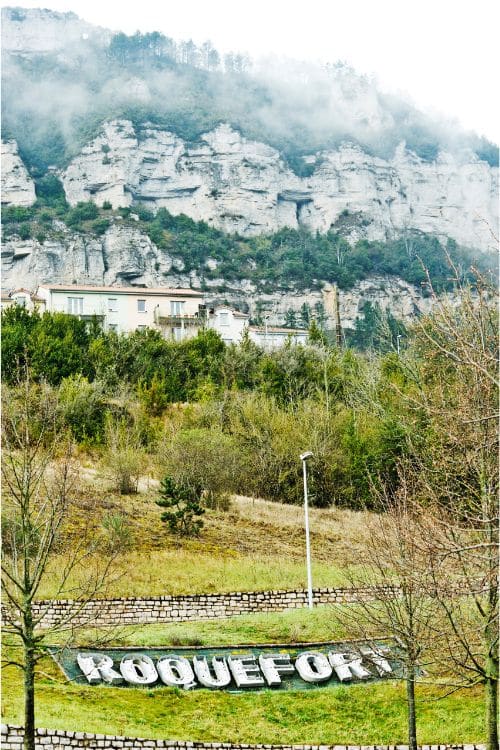
Yes, that’s absolutely the idea. Continuing with the example of cheese, let’s look at Roquefort, the famous blue cheese from Southern France. Why is it blue? Those blue veins are penicillin, a mold that grows in the caves where the cheese is matured.


Now we’re not talking about what the animal ate. We’re talking about where the cheese was stored. So it’s an interaction between the cheese and the place where it was made.


What happens if you decide “I want to make a cheese like this in the United States”? So you take some of that same strain of penicillin and put it in the environment where you plan to make your cheese. But the cheese will taste different. It’ll adapt itself to the region it’s in.

View of mountainside in Roquefort, a town in France famous for its cheese

And we know this because lots of cheese makers have done that. They’ve taken spores to, say, California, and made blue cheese. And they may be able to make a wonderful cheese. But it’s different.


Just to piggyback on that idea, when people think of terroir, they think of terre, the French word for earth, and they think, “It’s going to taste of earth in some respect.” They think about terroir as a geological or geographical influence.


That’s true to an extent. But there’s often a biological component. So for wines, that would be the yeast that are fermenting the sugars and the alcohol, and the yeast from different places taste different.


I feel like I left out the part of the question about the origins of terroir.


People tend to think of it as a concept that’s all about the Earth and animals, but it’s always been a human concept. It’s always been about people and society. Going back 500 years or so to the origin of the word, terroir was the area around a town or a village. So there was always this influence of the human element on the natural element.


2) HOW THE CONCEPT OF TERROIR HAS CHANGED OVER TIME


In your book Tasting French Terroir, the History of an Idea, you examine the significance of terroir. Can you summarize a little bit of how the concept has evolved culturally?


It creates communities and helps to protect land spaces that are important to people. I think terroir is about creating identity and recognizing that the land and climate are an important part of that identity and should be protected.


And for people who are interested in conservation, it’s appealing to find flavors in food and take pleasure at the table, but also, maybe you’re doing something that adds value to the environment and helps people understand why rural areas are important.


3) LAND, PEOPLE, AND TASTE: THE RELATIONSHIPS THAT TERROIR CREATES


In terms of the relationship between the producers, their land and the consumers, can you talk about how terroir affects that interaction?

One idea that I find interesting and that is a part of my new book, which wasn’t in my previous book, is that terroir has now become a victim of its own success.


Some of the regions with important terroirs that people recognize are great for cheese, or wine, or whatever the product is, have become so fantastically expensive that nobody can afford them.


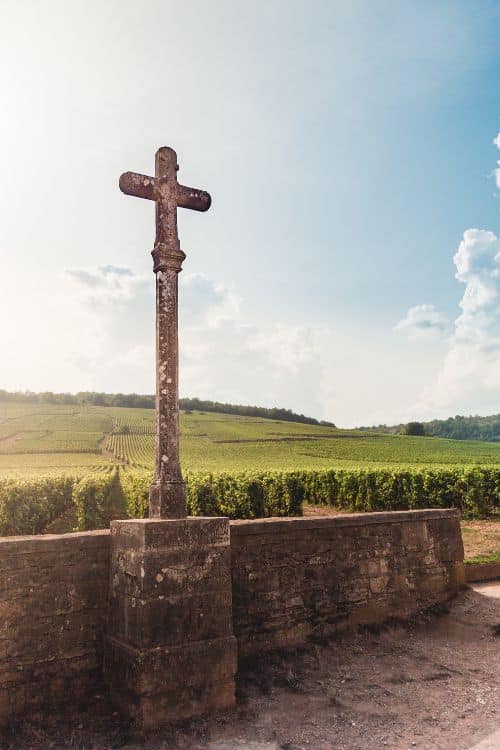
There’s a famous Burgundy wine called Romanée-Conti. It comes from a little vineyard that’s only a few acres. And those bottles sell for $25,000, or something like that.


But would-be winemakers, unless they come from wealth, can’t afford to make it.

View over Vines in Romanee-Conti domaine, with stone cross

I’m using an extreme example. But in most of the well-known vineyards in France, people who want to go into agriculture and are just starting out can’t afford to do so there.


And most consumers can’t afford to spend that. How many people want to spend $50 or $100 on a bottle of wine that they’re just consuming for a non-special occasion?


So there’s been a revolution. Winemakers are experimenting with areas in France where people didn’t used to grow grapes or think good wines came from. There’s a whole new vanguard of young people who are excited about experimenting with different regions and different sorts of terroir, and they’re coming up with some really exciting products.


Now, when you go looking for a representation of terroir, if you go to the hottest, most cutting-edge wine stores, or even restaurants, they’re going to be really excited about some wine region that you haven’t heard of that’s making dynamite wines.


It’s transformational. And you can see it in France.


4) TERROIR AND TRAVEL


I’d like to talk about terroir from a traveler’s perspective. How might understanding terroir help with a traveler’s appreciation of local cuisines and food traditions?


I think it’s important to do away with this idea that you’re there to appraise a food or wine objectively and give it a value judgment, as if you were separated from it.


I’ll tell you a story. Before I did this academically, I did this as a business. I worked with an importer who was an entomologist from Berkeley, and he got out of academia and went into wine importing.


When we would show up at a wine producer’s place in France, they would always expect us to just want to taste and then make a buying decision. And he would say, “Oh no, I want to go out and see the vineyards.”


They would be surprised. But we’d go to see the vines, and he would start picking up the dirt and smelling it. The winemakers were just baffled, but they loved it.
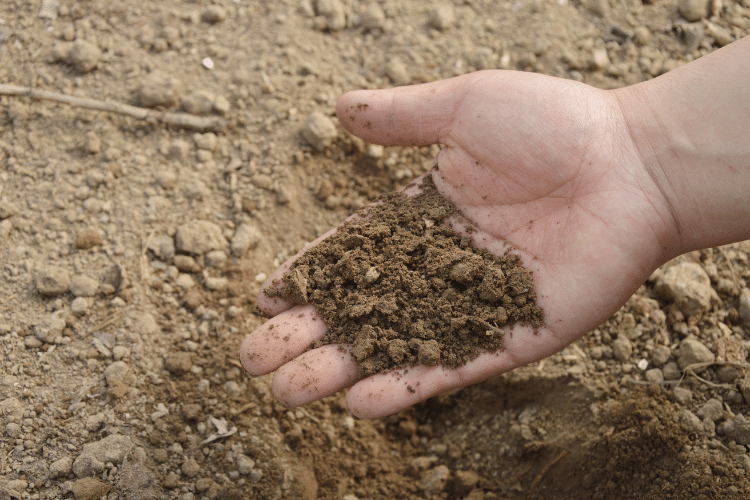
 

Hand examining soil


And he often could say, “Oh, your vines are being attacked by this or that pest. And this is how you can fight against it.”


I think that more holistic way of understanding things really added to the experience of the wine. Once you’ve seen the land and you’ve been out there, you can understand it in a way that you can’t if your only interaction with it is drinking it out of a bottle in a restaurant far from where it was made.
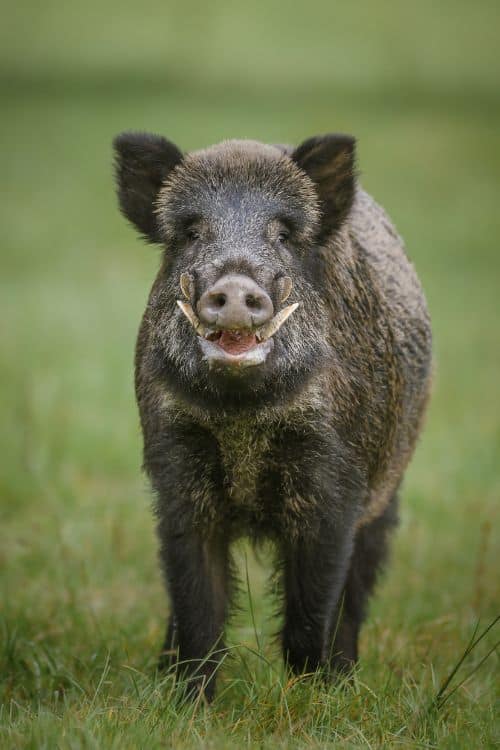
Wild boar looking directly at the camera

Another example: in Burgundy, we’d be going by these rows of vines, and then suddenly you’d see one vineyard that looked like it had been bombed out. So you’d think “What happened to this one? It’s in shambles, and everything around it is pristine.”


Then we learned that the vineyard that was in shambles had been ravaged by the wild boars.


So then the question is, why do the boars just go to this one vineyard? Well, they’re looking for earthworms, and the other growers put so much herbicide and pesticide that they kill off all the other flora and fauna.


The boars know where the good vines are, and that’s where they go.


And the wines are always better. So if you understand that, you see where the boars go, then you say, “that’s the wine I want to drink.”

Also, what you’re drinking is probably a lot better for you, it hasn’t been treated with all those herbicides and pesticides.


There’s this new tasting practice called geo-sensorial tasting, which is coming into vogue now. The idea is that the tasting experience is not about just organoleptic qualities like taste and smell. It’s about the textures, the mouth feel, but also the lived experience of the land.


Some of the most famous winemakers, like Marcel Deiss in Alsace, make it a part of the tasting experience to have people go out and walk around the vineyards before they even taste the wine, doing what my wine importer friend did, just seeing the land and being a part of it. So then you understand what’s in your glass in a different way.


It also makes the tasting experience better. Who you were with, the weather that day, how you were feeling, serendipity: all these things come together to become part of the tasting experience.

5) HOW TERROIR FITS WITH RESPONSIBLE TRAVEL


Let’s talk specifically about responsible travel. In your opinion, how could the concept of terroir inform more responsible and sustainable travel practices?


The more that you seek out these experiences, this uniqueness, the more you’re helping people who aren’t from a Big Money background survive and prosper. The more you go and visit these towns and producers that are out of the way, the more you’re helping them survive.


French cheese producers are in crisis right now. Many of them are, I’m sorry to say, going out of business, because a lot of people just don’t have the money to pay for artisanal products.


So by supporting these small interests, you’re keeping traditions that are really important alive.

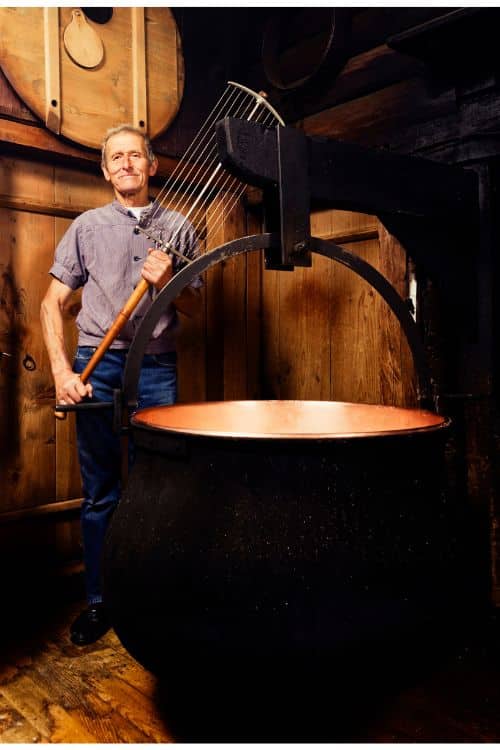
Traditional Alpine cheese maker holding a Swiss harp

If you go to a French supermarket, sure, you can find Camembert cheese. But they’re the consumer versions. They can be pretty bland, and shut everybody else out of the market.


What’s interesting is that now, the United States is somewhat rivaling France for producing really interesting cheeses.


Why is that? Well, a lot of Americans who want to get into cheesemaking go over to France and learn the craft. They come back to the US and start making cheeses.


I’m from the Hudson Valley, and I can tell you that Hudson Valley cheese producers have got that New York City market of people who are willing to spend $20 or $30 for a block of cheese. And there’s more of that market in the United States than in France.

Vermont Cheddar

Unfortunately, there are commercial pressures being put on French artisanal producers, and fewer and fewer of them are surviving. So keeping these things alive is important for tradition, but it’s also important for flavors and food and ethics.


It’s important for the environment and for sustainable practices. Wine producers who are willing not to use pesticides and herbicides, and to take the hit from the wild boars and have fewer grapes but make better wine, need people who know the value of that and are willing to pay for it.


I think all these things are important for people to understand and support.


6) TERROIR AS A BRIDGE BETWEEN TRAVELERS AND LOCAL COMMUNITIES


A lot of what you said there goes into the next question I was going to ask, which is about how travelers can use the concept of terroir to interact meaningfully with local communities and better understand their ways of life, and to also help support local communities and preserve their heritage?

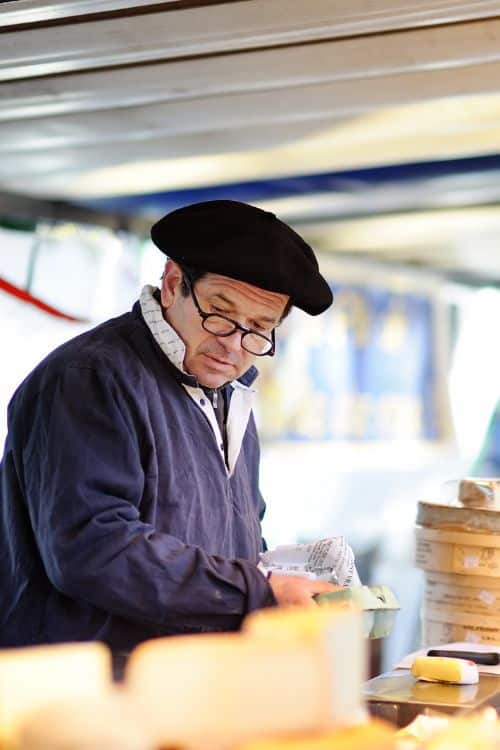
Chese Vendor at market, wearing a beret

I think a trap that we fall into as tourists is that when people go to countries they’re not familiar with, they often worry people are going to take advantage of them, or they want to pay as little as they can, trying to understand how the market works.


And because of that, people are less willing to take chances. They worry that they’re being cheated, which so often isn’t the case.


For a tourist who might be thinking, “I can get cheese for $7 at the supermarket. Why would I pay $14 for it from a local producer?”


Just be willing to take a chance on it. It might open your mind to off-the-beaten-track ways of experiencing a region or a microregion.


7) PRACTICAL TIPS FOR EXPERIENCING TERROIR WHILE TRAVELING


So then, how would they do that? Let’s continue with France as an example. Instead of the supermarkets, I’m thinking about seeking out farmer’s markets in smaller towns, centered around the town square, or things like that. Do you have any ideas or examples that could be useful for people wanting to incorporate terroir into traveling responsibly?


A lot of people are timid when they’re traveling. They think, “I don’t know the culture here. Should I talk to this person or not?” They clam up.


But I tell my students who are trying to learn French that being a visitor who’s not from the culture, you have a passport to open yourself up and ask questions. People will say “That person is not from here. Let me try to help them out.”
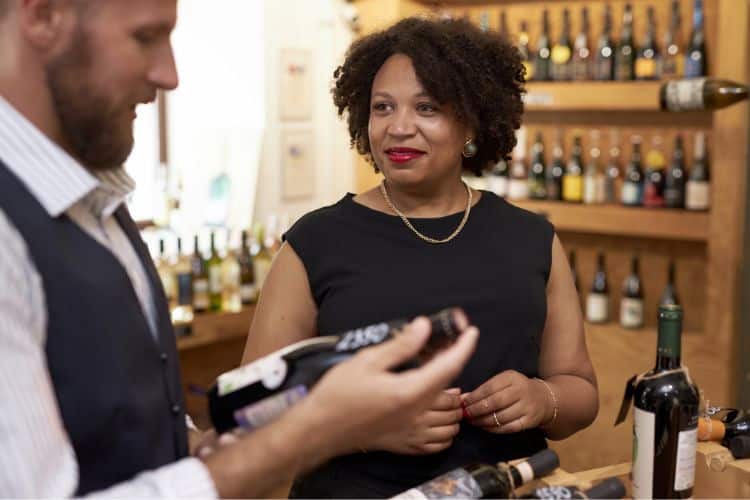
 

Woman speaking with vendor in wine shop


French people are very proud of where they come from, what they do and what they make. So I would tell travelers to be willing to show their curiosity.


Take the time the night before you go to a different region to learn a little about its history. And then when you’re there, ask the people you meet questions.


As soon as you do that, they’re like, “oh, this person is interested. I can’t wait to share more with them.”


That will lead to experiences that you never would have had otherwise.

For example, I was in a three-star restaurant outside of Tours. I don’t think it exists anymore, but this was many years ago. And these three-star restaurants normally cost hundreds of dollars per person. I was there with my wine importer friend, and we were only there because we knew the sommelier.


Anyway, the room was filled with business people who were obviously used to eating this way. And we were just the opposite. We’d never had this sort of experience.


So because it was a new experience, we were asking all sorts of questions about the food and wine. We were curious and interested. And before we knew it, there was plate upon plate coming out of the kitchen, and wines that we could never, ever, ever afford.


So, I think just expressing curiosity and asking questions is really appreciated.
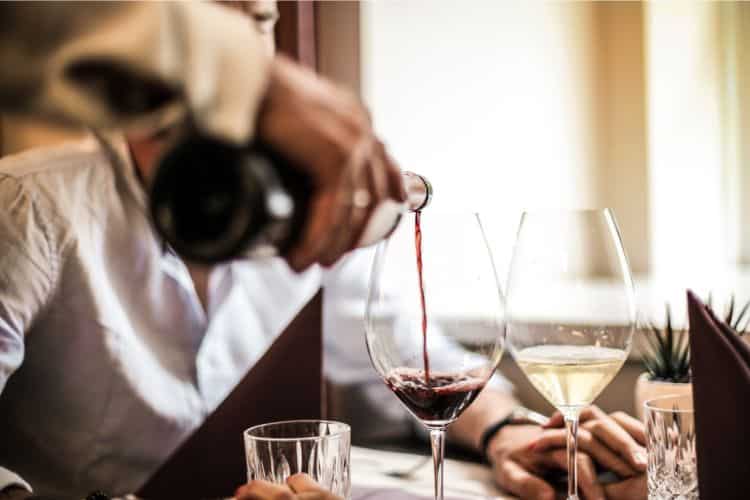
 

Server pouring wine into glass at restaurant


8) A LAST BIT OF ADVICE ON INCORPORATING TERROIR INTO RESPONSIBLE TRAVELS


What advice would you give to individual travelers who want to incorporate terroir into their travel experiences and do so responsibly?


I would say it all goes back to talking to people. If you’re in Paris, find one good cheese shop. Go and talk to them, learn from them. Because all these small operations, the best cheesemongers and wine sellers in Paris, they make it their business to ferret out small producers.


Find a cheese shop that’s not a chain, talk to the person, ask them what they recommend, and they’ll say, “Try this cheese.” And you try the cheese. And you’re like, “Oh, wow, that’s really good.”


Let’s say you plan to visit the Loire Valley the next week, and this cheese is made there. See if you can go visit that producer and learn about their operation. And hopefully they’re not well known. So you get right in. There’s not a line, they let you visit.
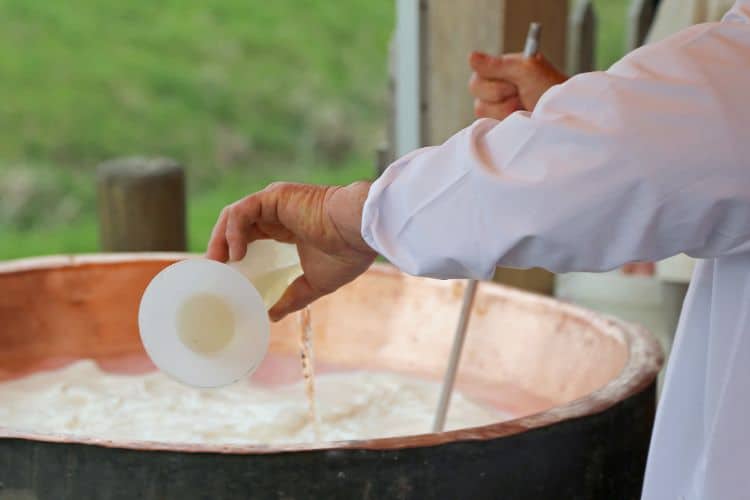
 

A cheesemaker pouring rennet into milk to make cheese. In the background, green grass


Of course you buy some of their cheese, because you want to support them. They’re there to make money. They’re trying to get by. So you don’t take an hour of their time and then say, “Okay, well, we’re full now, we’re not going to buy anything.”


So you’ve made your purchase. And as you’re on your way out the door, you say, “Is there anybody in the region who’s just getting started and works the way you do?”
And then the cheesemaker goes “Oh, yeah, my friend’s nephew down the road. Nobody really knows he makes cheese, but he makes a few wheels, and it’s amazing.”


So you go down the road and knock on his door, and say “I heard about you from your friend.” And he knows that you like good things, because he respects the guy who sent you.


He says, “I don’t make a lot of cheese. I don’t commercialize it, but I do have some if you want to try it. Come on in.”


Next thing that you know, you’re invited for dinner. So you pull out a wine that you got from the last town you visited, and say, “How would this wine go with your cheese?” And in the end, just by being open and curious, you’ve made a new friend.

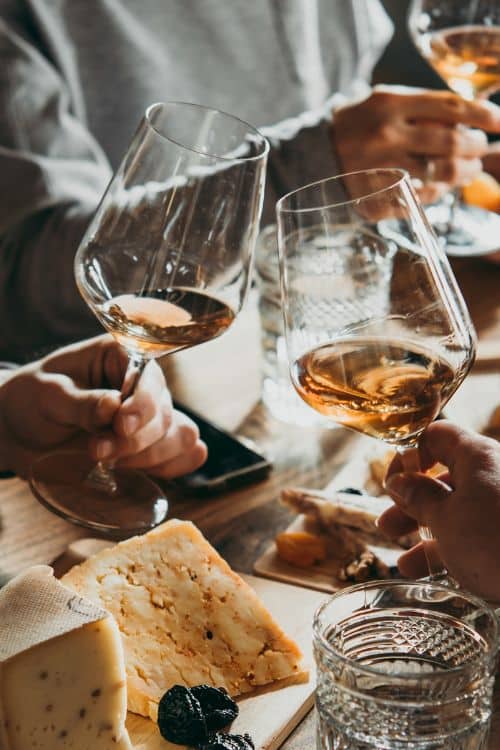
Raised wine glasses toasting over table laid with cheese plate
About Professor Thomas Parker:


Professor Thomas Parker Headshot


Professor Thomas Parker is Chair of French and Francophone Studies at Vassar College. He earned his PhD from Columbia University and specializes in early modern literature, philosophy, and cultural studies.


He is the author of Tasting French Terroir: The History of an Idea, which examines the cultural and historical evolution of the French concept of terroir. His newest book, Paranatures in Culinary Culture: An Alimentary Ecology, is due out in July 2025 and explores the intimate relationship between food and identity through a transdisciplinary lens.

About Mindful Wayfarer

Welcome to Mindful Wayfarer, where we believe that travel is more than just a journey. It’s an opportunity to make a meaningful impact.

Table of Contents