

“Sustainability Was the Floor, Not the Ceiling”: Sarah Dusek on Creating a Luxury Travel Collection Focused on Nature and Conservation

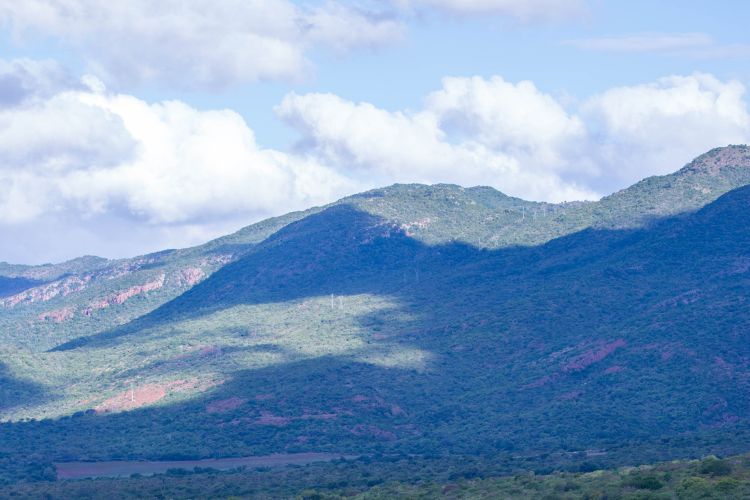
Soutpansberg Mountains

INTRODUCTION:


Sarah Dusek did not set out to build another travel company. After she and her husband sold Under Canvas, the luxury outdoor hospitality and glamping company they founded, they thought they had closed that chapter. Then, in 2020, they came across a vast stretch of wilderness in South Africa’s Soutpansberg Mountains. The landscape changed their plans, and became the catalyst for Few & Far, a curated travel collection built around outdoor exploration, distinctive boutique properties, and carefully crafted experiences, with sustainability as a starting point.


Dusek’s approach to travel has been forged by experiences that began long before that discovery. In the first part of our two-part interview, Dusek talks about the journey that led her to Few & Far, how her thinking about responsible travel has evolved, and why she believes travel should create more than memorable experiences. We also discuss what luxury means to her, and the role of nature, space and reflection in the way she travels.


“SUSTAINABILITY WAS THE FLOOR, NOT THE CEILING: SARAH DUSEK ON CREATING A LUXURY TRAVEL COLLECTION FOCUSED ON NATURE AND CONSERVATION

Note: The following responses have been edited for brevity while preserving their original intent.

1) IT STARTED WITH A LANDSCAPE


GM: The first thing I’d like to talk about is the philosophy behind the Few & Far collection. What inspired you to create Few & Far?


SD: It was really the place. Prior to Few & Far, my husband and I had built a travel company in the US called Under Canvas, and we were not planning on doing any more hospitality offerings.


But in 2020, we stumbled across this landscape nicknamed “the Forgotten Mountains”. They’re the Soutpansberg Mountains in the far north of South Africa, near the Zimbabwean border. We came across 100,000 hectares of extraordinary wilderness and incredible biodiversity that wasn’t under any kind of protections, and we felt we had to do something to protect this very special area and put it on the map.
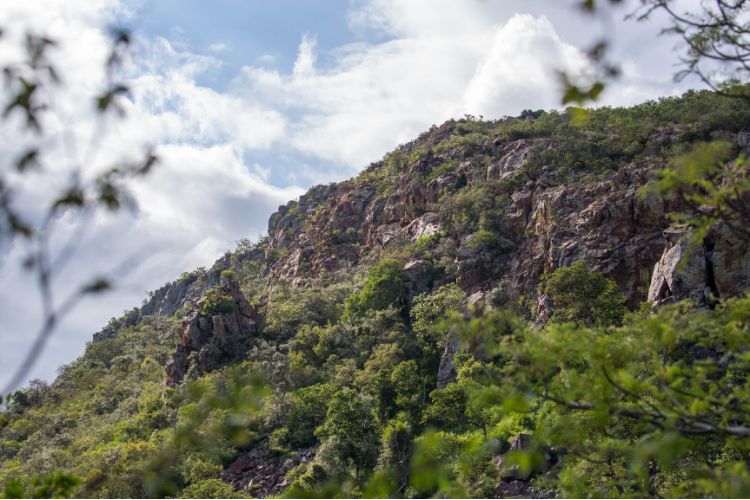
 

Soutpansberg, South Africa


The only way I know to help make somewhere become a destination is to create a remarkable place for people to come and stay. So that’s what we decided we would do. And it became the birthplace of Few & Far.


2) LEARNING TO LOVE THE WILD


GM: Is there a moment in your life that changed how you think about travel?

SD: I don’t know if there was one particular moment, but certainly I have been passionate about travel since I was a teenager.


My first job after graduation from university, I went to live and work in Zimbabwe. I discovered the African safari experience whilst living in Zimbabwe, and I think it created a curiosity in me about the outdoors. Before, I would never have said I was an “outdoorsy” person. Hardcore camping and backpacking were not for me. But I did love to explore, and I love people, culture and visiting new places.


When I got to Zimbabwe, something happened that helped me fall in love with nature and wild places, beautiful outdoor places. Every chance I got, I would try to go out into the bush with friends, and to spend time exploring the country, its wildlife and its extraordinary beauty. 
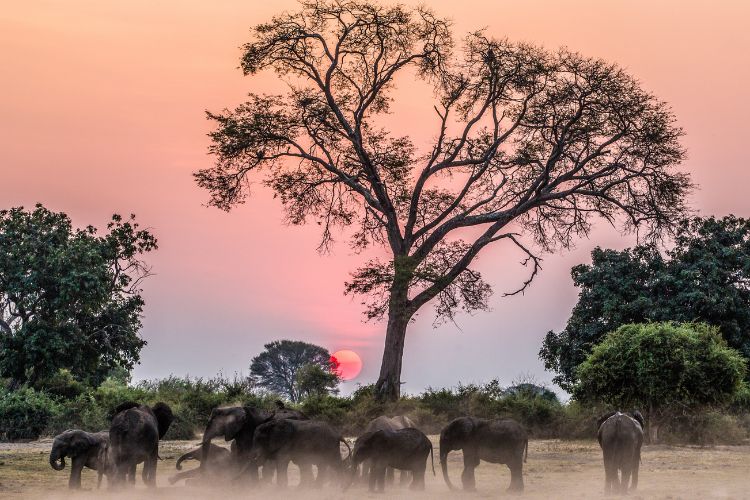
 

Elephants at sunset in Zimbabwe


The safari experience helped me realize that you can be out in nature and it need not be uncomfortable or difficult. Realizing just how wonderful being outdoors can be was a significant turning point in my life.


3) SUSTAINABIITY AS THE STARTING POINT 


GM: You mentioned that Few & Far isn’t your first venture in the travel industry: you also co-founded Under Canvas, which is a luxury outdoor accommodation company in the U.S. How did that experience shape how you approached building Few & Far?


SD: It had an enormous influence, because a lot of the things that we weren’t able to implement with Under Canvas became imperatives for Few & Far. From the beginning with Under Canvas, we always thought about it as a very sustainable company: low footprint, low impact on the environment, low water usage, low power. Sustainability was the holy grail.


When we started thinking about building Few & Far, sustainability was the floor rather than the ceiling. If we take all those things as a baseline, then what does being regenerative look like, rather than just being sustainable? So where we’d arrived at the end of our Under Canvas journey influenced the starting point for this journey with Few & Far.


GM: That’s an interesting way to put it: sustainability is often seen as something to attain, when really, it should be the baseline.


SD: Yes, it should be the starting point, and then you ask: “How can we do even more?” That’s how I got into thinking about regenerative travel. For me, the difference between those two things is that sustainability asks “How do you cause no harm?” Whereas a regenerative approach asks “How do you go beyond “do no harm”, and create a positive impact?”

GM: Let’s dig into this a little bit, because in interviews you talk about things like conservation, supporting local communities, regenerative tourism, and creating positive impact. All of these things fit into the overarching idea of responsible tourism. How do you translate those principles into the way that Few & Far operates?


SD: My three principles of being in business are really three legs of one stool, which are people, planet, profit. In terms of people, we’re constantly asking “how are we impacting all of our stakeholders?” That includes our guests, our employees, and our local community as well as our shareholders. 


For the second leg of the stool, the planet, we consider how we are impacting the Earth. What initiatives are we doing to make the planet a better place? And finally the third leg, profitability, because no company can exist without it being financially sustainable. So we strive to balance those three legs of the stool.


4) MAKING SPACE FOR TRAVEL TO CHANGE US

GM: If someone travels with Few & Far, what do you hope they notice is different?


SD: I would hope that they’d see and feel the impact of their travel. I also hope that they would experience their own personal transformation.


I think all travel has the power to change us. If we open ourselves up to new experiences, places and people, that’s where the true beauty of travel lies.


I love travel that creates space for people. Not just physical space, but mental space. Space to hear ourselves, to connect with each other, connect with ourselves. When I’m crafting trips for people, I’m constantly thinking “How does the rhythm of this create space for people? How do we get away from ticking off boxes, and create memorable, magical experiences that leave people changed and have an impact on their life going forward?”

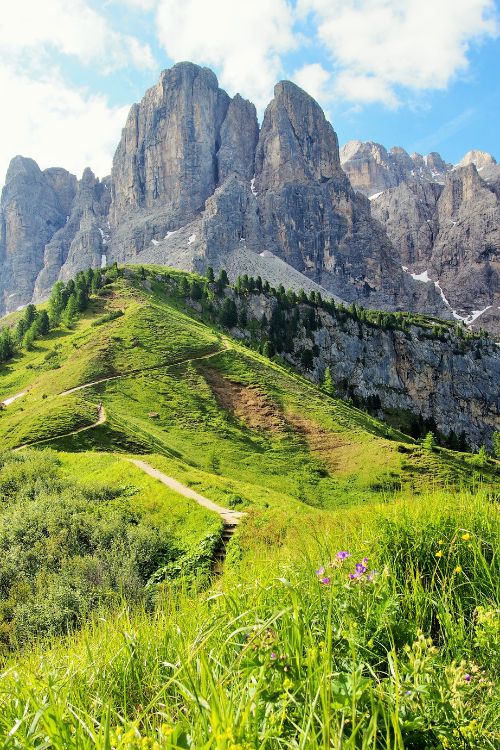
Dolomites
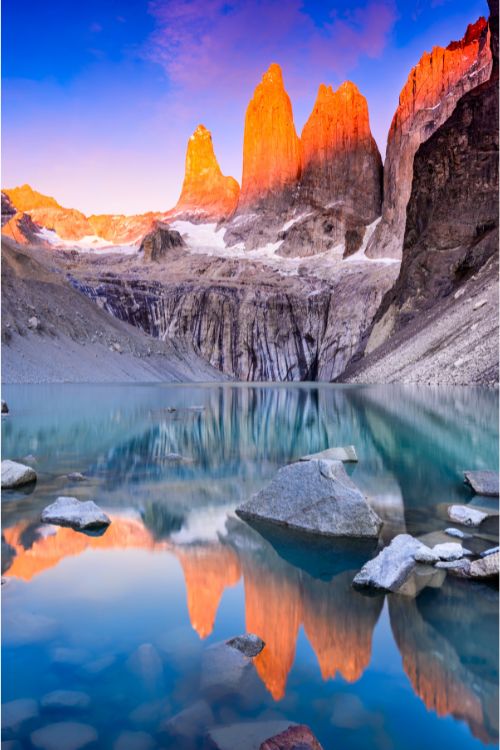
Patagonia

GM: That leads into the question: For you personally, has building Few & Far changed the way you travel?


SD: I am constantly aware of my own need for a couple of things. One is awe and wonder. Nature does that for me in terms of being in places and spaces that bring me back to remembering I’m small, and it creates space to reflect and enjoy and think and be.


The second thing is when I’m traveling, I’m constantly looking for moments of reflection. I took a group of ladies last December to Patagonia in Chile. We were hiking and huffing and puffing, and at the same time I found I had space in my head to think. So I love trips where you see extraordinary things, but also have time with your own thoughts.

5) HOW FEW & FAR SELECTS A DESTINATION


GM: You gave Patagonia as an example, and I know you have Few & Far collection destinations as varied as South Africa, Slovenia, India. What is the thread that connects these experiences, and what qualities are you looking for when you decide a destination belongs in the Few & Far Collection?
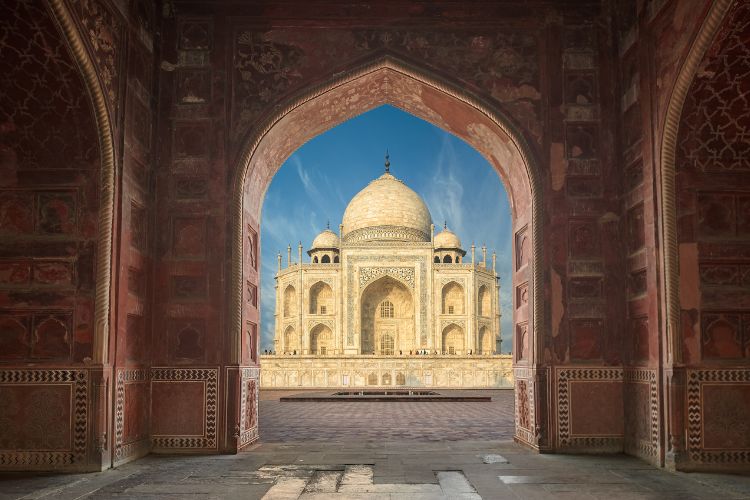
 

Taj Mahal


SD: All of our destinations are what I would call outdoor destinations. They come in different shapes and sizes, but they’re experiences in nature of some kind. We are best at creating experiences for people in wild places. The experience itself doesn’t have to be wild, but allowing people to experience the magic of incredible outdoor destinations around the world is the heart of what we do.

GM: So all your destinations have that thread of outdoors. From what I’ve seen, they also tend to be high end or luxury. Would you say they all fall under the umbrella of luxury travel?


SD: Yeah, they do. Largely because these days, it’s very easy for people to go on the internet and organize a trip themselves. But our expertise comes from insider knowledge and relationships that allow us to craft experiences for people that are difficult to organize by themselves, and that requires a certain budget.


6) A DIFFERENT IDEA OF LUXURY


GM: So then, I would ask: Has your definition of luxury changed over the years? And if so, what does luxury mean to you today?


SD: Yes, it has actually. I think many of us probably used to define luxury as just being expensive or glitzy or lavish. But luxury for me these days is much more simple and not necessarily fancy. Luxury is things like space, beauty, rawness.
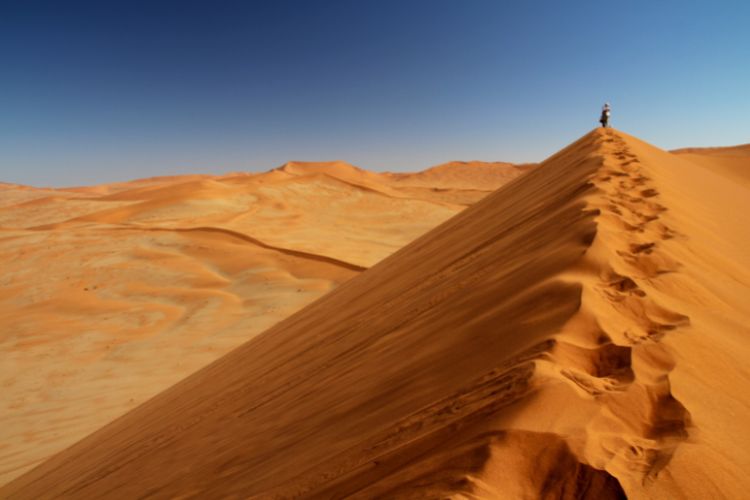
 

Person on sand dune in Namibia


Service is still probably in that mix for me, but not stiff or pretentious service. It’s relational and curated.


I particularly love sending people to very small boutique properties. We tend not to send people to big hotels. We like the curated nature of being in unique places where you are not just a cog or a ship passing in the night. That’s really the heart of the kind of travel that we curate.

About Sarah Dusek

 

Avatar


Sarah Dusek is an entrepreneur, investor, conservationist and author whose career has been shaped by a belief that business can be a force for positive change. Originally from the UK, Sarah began her career working in Africa, including as an aid worker in Zimbabwe, before co-founding Under Canvas with her husband, Jacob, in 2009. The company pioneered luxury outdoor hospitality in the US and was sold in 2018 for more than $100 million.


Following the sale, Sarah and her family moved to South Africa, where she co-founded Enygma Ventures, an investment fund supporting women-led businesses across Africa. Her work with entrepreneurs and communities led her back to the question of how business could create lasting environmental and social impact, and ultimately inspired Few & Far, her latest venture in regenerative travel.


Today, Sarah is Co-Founder and CEO of Few & Far, which creates extraordinary travel experiences while investing in the protection and regeneration of wild landscapes and the communities connected to them. Its first lodge, Few & Far Luvhondo, opened in South Africa’s Soutpansberg Mountains in 2025. Sarah is also the author of Thinking Bigger: A Pitch-Deck Formula for Women Who Want to Change the World.
About Mindful Wayfarer

Welcome to Mindful Wayfarer, where we believe that travel is more than just a journey. It’s an opportunity to make a meaningful impact.

Table of Contents